Wondering how to see the best of Vietnam in just two weeks? Vietnam is a country full of exciting places and experiences, from bustling cities to hidden gems tucked away in nature.
In this post, I’ll cover exactly how to spend 2 weeks in Vietnam, with details on how to get around, where to stay, and more! This guide will help you plan how to explore cities like Hanoi, relax on the beaches of Mui Ne, discover the amazing caves in Phong Nha, and so much more!
With 2 weeks in Vietnam, you’ll have plenty of time to explore the various areas of the country without feeling too rushed! So, let’s get into this epic 2 week Vietnam itinerary and start planning your adventure!
The Ultimate 2 Week Vietnam Itinerary for First Timers: How to Spend 2 Weeks in Vietnam
Frequently asked Questions
Before we get to the actual 2 week Vietnam itinerary, I wanted to cover a few frequently asked questions many travelers have about traveling to Vietnam.
Is two weeks too long in Vietnam?
No, two weeks is a great amount of time to explore Vietnam, especially for a first-time visit. It allows you to visit multiple regions in the North and South and gives you more time to get used to the cultural differences.
Is one week in Vietnam enough?
One week in Vietnam is enough to explore one or two key areas, such as Hanoi, Ha Long Bay, Ho Chi Minh City, OR the Mekong Delta. However, it might feel rushed if you’re trying to cover more ground.
When is the best time to visit Vietnam?
The best time to visit Vietnam is from November to April, during the dry season, when temperatures are cooler and rainfall is minimal. However, the rainy season in Vietnam is a lot like the rainy season in Florida; while it may rain every day, it doesn’t always last long. Plus, prices and crowds tend to be much lower in the off-season. So, it’s up to you which you prefer!
Do I need a visa to travel to Vietnam?
Many nationalities require a visa to enter Vietnam, but some can enter visa-free for a limited period. Speaking for an American, yes, you will need a visa to enter.
Is Vietnam safe for tourists?
Yes, Vietnam is one of the safest countries in Asia for tourists. Just pay attention and keep in mind your surroundings, like in any city, and you’ll be fine.
What are the must-try foods in Vietnam?
Some must-try foods include Pho (noodle soup), Banh Mi (Vietnamese sandwich), Bun Cha (grilled pork with noodles), and fresh spring rolls.
Is it easy to find vegetarian or vegan food in Vietnam?
Yes, vegetarian and vegan food is widely available in Vietnam, especially in cities. Many dishes can be made vegetarian upon request.
Can I drink tap water in Vietnam?
No, it’s not advisable. Stick to bottled or filtered water.
How to Get to Vietnam
Now that (hopefully) all your most concerning questions are answered about visiting Vietnam, let’s talk about the trip itself!
Depending on where you are located in the world, getting to Vietnam can be slightly different. While most travelers will likely arrive by air, it’s not the only option.
Entering by land if you are already in the area or by sea are also options for getting to the country. Below I’ll dive into the details of each!
By Air
The most common and convenient way to get to Vietnam is by flying.
Vietnam has three major international airports: Noi Bai in Hanoi (North), Tan Son Nhat in Ho Chi Minh City (South), and Da Nang International Airport in Da Nang (Central). Direct flights are available from many countries, or you can connect through major Asian hubs like Bangkok, Singapore, or Hong Kong.
By Land
If you’re already in Southeast Asia, you can enter Vietnam by bus or train from neighboring countries like Cambodia, Laos, and China.
Border crossings are well-established, but check visa requirements and border hours, as this can save you tons of time and hassle in the long run!
By Sea
Cruise ships and ferries are another way to reach Vietnam, particularly for travelers exploring Southeast Asia. Some cruises include stops at popular ports like Ha Long Bay, Da Nang, or Ho Chi Minh City.
This option is less common but offers a unique approach to seeing different parts of the country if you choose to take a cruise in this region of the world!


How to Get Around Vietnam
When it comes to getting around Vietnam, this is where a lot of people start to panic. Navigating transportation in a foreign country isn’t always straightforward.
Thankfully, Vietnam is super easy to get around, and there are many different options, depending on how you like to travel and where you’re going.
Domestic Flights: For long distances, like traveling between Hanoi, Da Nang, and Ho Chi Minh City, domestic flights are the quickest option. Vietnam has several low-cost airlines, making air travel convenient and affordable.
Trains: Vietnam’s railway system offers scenic travel, especially along the Reunification Express route from Hanoi to Ho Chi Minh City. Trains have different classes, from basic seats to comfortable sleeper cabins.
Buses: Buses are a budget-friendly way to travel between cities and towns. There are regular buses and more comfortable sleeper buses for longer journeys.
Keep in mind, the sleeper buses aren’t much more expensive than the regular buses, so opt for that if possible! Not only is it so much more comfortable, but you can experience a new perspective on bus travel.
Motorbikes: Renting a motorbike is the most fun and popular choice for adventurous travelers. Some of the most beautiful drives in the world are located in Vietnam.
Just be sure to have an international driver’s license and experience riding in busy traffic. You can also hire a porter to haul your bags or just drive the bike itself so you can relax and enjoy the ride.
Taxis and Ride-Sharing: In cities, taxis and ride-sharing apps like Grab are convenient for getting around. They’re affordable and easy to use, especially for short distances or when you have luggage.
Plus, taking a motorbike for an Uber should be on everyone’s bucket list. It’s one thing driving around Vietnam yourself; riding with a local is wild!!
2-Week Vietnam Travel Itinerary: Where to Stay & What to Do
This itinerary is designed to begin in Ho Chi Min City (South) and end in Hanoi (North). However, depending on your starting point, it can easily be done vice versa!
Days 1-3: Ho Chi Min City (Saigon)
Start your 2 weeks in Vietnam in the bustling metropolis of Ho Chi Minh City, commonly known as Saigon. If you are starting from the south, this is the place you need to be.
This city is one of the most exciting and unique in the region. While it can be overwhelming at first, go with the flow and dive head-first into the culture. It’s an experience unlike any other.
Where to stay in Saigon
Ho Chi Minh City, also known as Saigon, is divided into several districts, each offering unique experiences for visitors. Some of the best areas for tourists and visitors are District 1, District 3, District 4, & District 5. Here are some hotel options!
Luxury: The Reverie Saigon – A luxurious hotel offering opulent rooms and panoramic city views, located in the heart of District 1.
Mid-Range: Liberty Central Saigon Riverside – A stylish hotel with modern amenities, a rooftop pool, and an excellent riverfront location.
Budget: Vy Khanh Guesthouse – A cozy and affordable option in District 1 for budget travelers, close to major attractions and offering warm local service.
Saigon Highlights
Here are a list of the top things to do in Saigon during your first 3 days in Vietnam!!
Visit the War Remnants Museum: Learn about Vietnam’s history and the impacts of the Vietnam War through powerful exhibits. This is a great place to go for those who love history or have relatives who were in the war itself.
Explore Ben Thanh Market: Experience local culture, shop for souvenirs, and taste authentic Vietnamese street food. This is an ideal place to go on an afternoon and do as the locals do! You can also book a cooking class that includes a visit here! Another option is to visit the Cai Rang Floating Market, however, this is pretty far outside the city!
Take a Day Trip to the Cu Chi Tunnels: Take a day trip to discover the network of tunnels used by Viet Cong soldiers during the war. You can easily go by the local bus and hire a guide when you arrive or arrange a private tour for extra comfort.
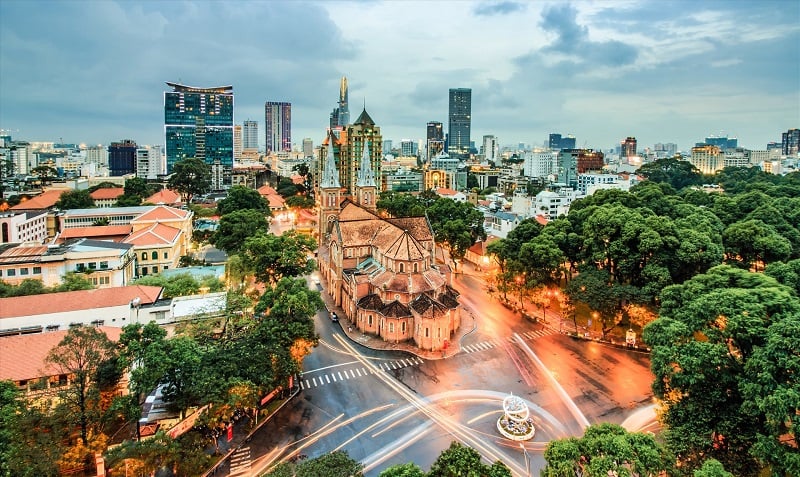
Explore Notre-Dame Cathedral Basilica and the Central Post Office: Admire the French colonial architecture of these iconic landmarks. If you can, have something to mail from the post office, even if it’s just a postcard. The process is cool to experience, and it gives you a chance to see more of the inside details.
Stroll Down Dong Khoi Street: Enjoy a walk through this historic street, known for its shops, cafes, and vibrant atmosphere. There are plenty of places to get massages, grab a snack or an egg coffee (Saigon’s most favorite drink for coffee enthusiasts), and get a taste of the nightlife in the evening hours!


Days 3-5: Mui Nie
After exploring the streets of Ho Chi Minh City, head to the coastal town of Mui Ne for a relaxing break by the beach. Located about 4 hours by bus from Saigon, Mui Ne is famous for its beaches and water sports.
Over the next three days, you can enjoy a mix of adventure and relaxation on the shores of the South China Sea. If you like nightlife or high-end resorts, this is the place to be!
Where to stay in Mui Nie
Muie Nie is popular for both budget travelers and luxury lovers, so the range of accommodation options is diverse for such a small beach town. Here are some different options:
Luxury: Anantara Mui Ne Resort – A five-star resort offering beachfront villas, spa services, and a peaceful traditional style setting ideal for unwinding.
Mid-Range: Bamboo Village Beach Resort & Spa – A resort with tropical gardens, comfortable rooms, and direct beach access so you can wake up to the sunrise.
Budget: Mui Ne Hills Budget Hotel – An affordable and friendly option with a lively atmosphere, perfect for backpackers and budget travelers. Being true to its name, it is on a hill, but the views from the top are out of this world!
Mui Nie Highlights
Explore the White Sand Dunes: Visit the stunning White Sand Dunes, also known as Bau Trang. You can rent ATVs or go sandboarding down the dunes; be sure to wear old clothes! Wake up early to catch the sunrise for a truly magical experience.
Visit the Red Sand Dunes: Closer to town, the Red Sand Dunes offer a smaller but equally picturesque experience. The sunset here is fantastic, with the dunes glowing in warm hues.
Relax on the Beach: Mui Ne is known for its beaches. Spend your days sunbathing, swimming, or enjoying the ocean breeze at one of the many beachside cafes.
Kite Surfing: Thanks to its strong winds, Mui Ne is a hotspot for kite surfing. Several schools offer lessons, or you can try other water sports like windsurfing and paddleboarding.
Visit the Fairy Stream (Suoi Tien): Take a walk along the Fairy Stream, a shallow creek with red and white sand formations. The walk is easy and scenic, perfect for a peaceful morning or afternoon.
Explore the Fishing Village: Visit the Mui Ne Fishing Village early in the morning to see the local fishermen at work. It’s a great spot for photography and to experience local life.


Days 5-7: Hoi An
After your beach retreat in Mui Ne, the next stop on this 2 week Vietnam itinerary is the famous town of Hoi An, known for its well-preserved ancient town and lantern-lit streets.
Over these three days, you’ll explore, enjoy the local food, take a day trip to the nearby Cham Islands for snorkeling, and experience the floating lanterns if you’re in the right season.
Where to Stay in Hoi An
Hoi An is popular in Vietnam, giving travelers plenty of options for accommodations. While there are a lot of inns and rentals available, here are some top hotels for those with varying budgets:
Luxury: Four Seasons Resort The Nam Hai – A beachfront resort offering private villas, gardens, and exceptional service just a short drive from Hoi An’s ancient town.
Mid-Range: La Siesta Hoi An Resort & Spa – A beautiful resort with colonial-style architecture, modern amenities, and a pool located near the old town.
Budget: Mad Monkey Hostel Hoi An – A social hostel, perfect for budget travelers looking to meet new friends. It offers a pool, bar, and daily activities.
Hoi An Highlights
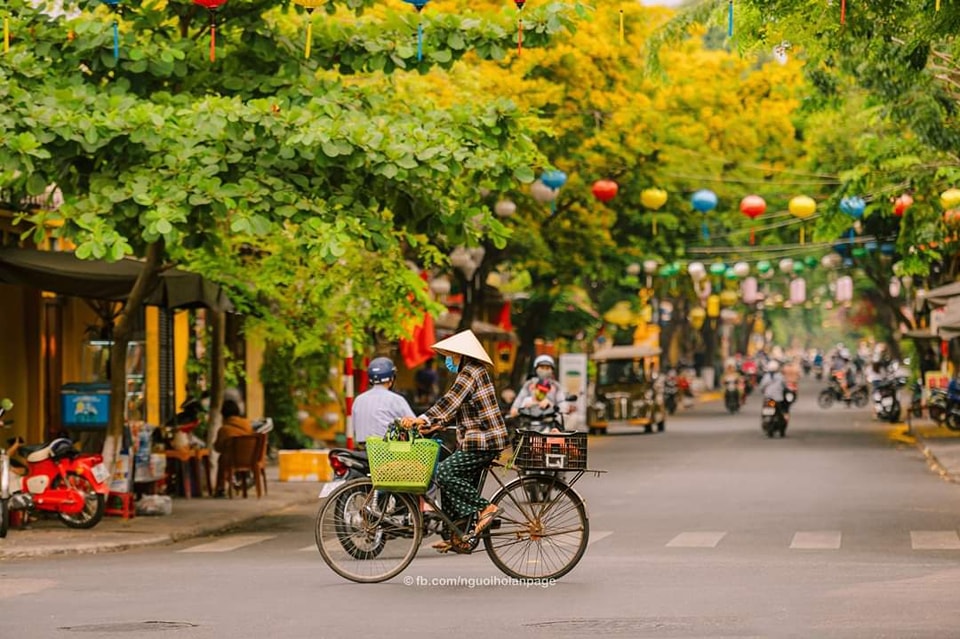
Explore the Ancient Town: Wander through the lantern-lit streets of Hoi An’s Ancient Town, a UNESCO World Heritage Site. Visit temples, ancient houses, and the iconic Japanese Covered Bridge.
Tailor-Made Clothing: Hoi An is famous for its tailors. Spend some time getting custom-made clothing or shoes at one of the many tailor shops in town.
Cooking Classes: Join a Vietnamese cooking class to learn how to prepare traditional dishes. Many courses include a market visit for a complete experience!
Hoi An Night Market: In the evening, explore the bustling night market, where you can shop for souvenirs, try local street food, and admire the lanterns that light up the streets.
Cycle to An Bang Beach: Rent a bicycle and take a ride to An Bang Beach, just a short distance from Hoi An. Relax by the sea, swim, or enjoy lunch.
Day Trip to the Cham Islands: Take a day trip from Hoi An to the Cham Islands, a group of eight small islands known for their clear waters, coral reefs, and marine life. The islands are part of a UNESCO Biosphere Reserve, making them an ideal spot for snorkeling and diving.


Days 7-8: Hue
It’s time to continue this 2 weeks in Vietnam with a journey north to Hue, Vietnam’s former imperial capital. While there’s not a whole lot to do here other than visiting the Imperial City, Hue offers a deep dive into Vietnam’s past and shouldn’t be skipped over.
Where to stay in Hue
Luxury: Azerai La Residence, Hue – A hotel set in a former colonial governor’s mansion, offering elegant rooms, a riverside location, and a touch of an old-world vibe.
Mid-Range: Pilgrimage Village Boutique Resort & Spa – A resort surrounded by gardens, offering a peaceful retreat with traditional Vietnamese architecture.
Save this post for later!
Enter your info below and I’ll email you the link to this blog post so you can refer back to it later 🙂
I agree to be sent email.
Budget: Hue Serene Palace Hotel – A budget-friendly hotel with modern amenities, located near the Perfume River and within walking distance of major attractions.
Hue Highlights
Visit the Imperial City (Citadel): Explore the Imperial City, a complex of palaces, temples, walls, and gates. This UNESCO World Heritage Site was the seat of the Nguyen Dynasty and offers a glimpse into Vietnam’s royal past. Be sure to take some change so you can feed the fish!
Explore the Royal Tombs: Take a trip to the outskirts of Hue to visit the grand tombs of the Nguyen emperors. Notable ones include the Tomb of Tu Duc and the Tomb of Khai Dinh.
Thien Mu Pagoda: Visit Thien Mu Pagoda, a seven-story pagoda overlooking the Perfume River. It’s one of the most iconic landmarks in Hue and offers beautiful views.
Perfume River Boat Cruise: Enjoy a boat cruise along the Perfume River, especially at sunset. The river plays a central role in Hue, and a cruise provides a different perspective of the city.


Days 8-10: Phong Nha National Park
Now is the time on our 2-week Vietnam itinerary to visit my favorite part of the country, Phong Nha National Park!
Rent a motorbike if you haven’t already, and spend three days exploring this natural wonder, ranging from cave exploration to unique local dining experiences.
Where to stay in Phong Nha
Budget: Phong Nha Farmstay – A eco-friendly retreat offering comfortable rooms, beautiful views of the surrounding countryside, and excellent hospitality.
Mid-Range: Victory Road Villas – A cozy hotel with spacious rooms, a swimming pool, and easy access to the national park’s attractions.
Phong Nha Highlights
Explore the Caves: There are tons of caves to explore in Phong Nah; here are the most popular!!
- Phong Nha Cave: One of the park’s most famous caves, accessible by boat. Admire its stalactites, stalagmites, and underground river.
- Paradise Cave: A cave with impressive formations, often called the “Palace Under the Ground.” A must-see for cave enthusiasts.
- Dark Cave: For a more adventurous experience, try the Dark Cave, which involves a zipline, cave exploration, and a mud bath.
If you’re interested in seeing multiple caves in one day without planning out all the stops, consider booking a guided tour that will take you to several!
Duck Hut: Visit the Duck Hut, a local spot where you can enjoy simple meals in a relaxed environment. Plus, you can wear a cool hat and become a grand master of all the ducks at the farm by feeding them their favorite food!
Catch, Kill, and Cook Your Own Chicken: Experience traditional Vietnamese dining by visiting a local farm where you can catch, kill, and cook your own chicken. This hands-on experience offers a chance to practice the farm-to-table process and have a unique experience to take home with you!


Days 10-14: Hanoi
Wrap up your two weeks in Vietnam with a stay in Hanoi. You’ll also spend a day exploring Sapa by motorbike and another day cruising through the waters of Ha Long Bay!
Where to stay in Hanoi
Luxury: Sofitel Legend Metropole Hanoi – A luxurious colonial-style hotel offering elegant rooms, fine dining, and a central location.
Mid-Range: La Selva Hotel – A comfortable and stylish hotel with modern amenities located in the Old Quarter, making it easy to explore Hanoi’s historic center.
Budget: Hanoi Backpackers Hostel – A popular and social hostel offering dormitory-style accommodation and organized tours, perfect for budget travelers.
➡️ Read Next: For more information on things to do and where to stay in Hanoi, make sure to check out my 3 Day Hanoi Itinerary!
Hanoi Highlights
Explore the Old Quarter: Wander through Hanoi’s Old Quarter, known for its narrow streets, traditional shops, street food stalls, and lively atmosphere.
Visit the Hoan Kiem Lake: A spot in the heart of Hanoi, perfect for a visit to the Ngoc Son Temple located on an island in the lake.
Tour the Ho Chi Minh Mausoleum: Pay respects to Vietnam’s revolutionary leader at the Ho Chi Minh Mausoleum and explore the surrounding complex, including the Presidential Palace and Ho Chi Minh’s Stilt House.
Discover the Temple of Literature: Visit this historic Confucian temple, which is Vietnam’s first national university and a beautiful example of traditional architecture.
Water Puppet Show: Attend a traditional water puppet show at the Thang Long Water Puppet Theatre, a unique art form that originated in northern Vietnam.
Day Trip to Sapa: Take a scenic overnight trip to Sapa, a mountainous region known for its terraced rice fields, ethnic minority villages, and landscapes. This 2 day tour on GetYourGuide includes a local homestay and a variety of treks!
Day Trip to Ha Long Bay: Spend a day cruising through Halong Bay, a UNESCO World Heritage Site renowned for its emerald waters and thousands of limestone islands and islets. You can either do a day trip, or consider staying longer! I recommend this 2 day cruise which includes an evening on a luxury ship!
Final Thoughts
That wraps up my 2 week Vietnam itinerary! As you can see, there is SO much to see and do in this incredible country!! With 2 weeks in Vietnam, you can explore the main 4 areas listed in this itinerary at a leisurely place.
If you have less time, you can cut out the few nights in Hue and focus on the other main areas. In addition, air travel will be your best friend if you are short on time, since Vietnam is a very long country!